Brak produktów w koszyku
Brak produktów w koszyku
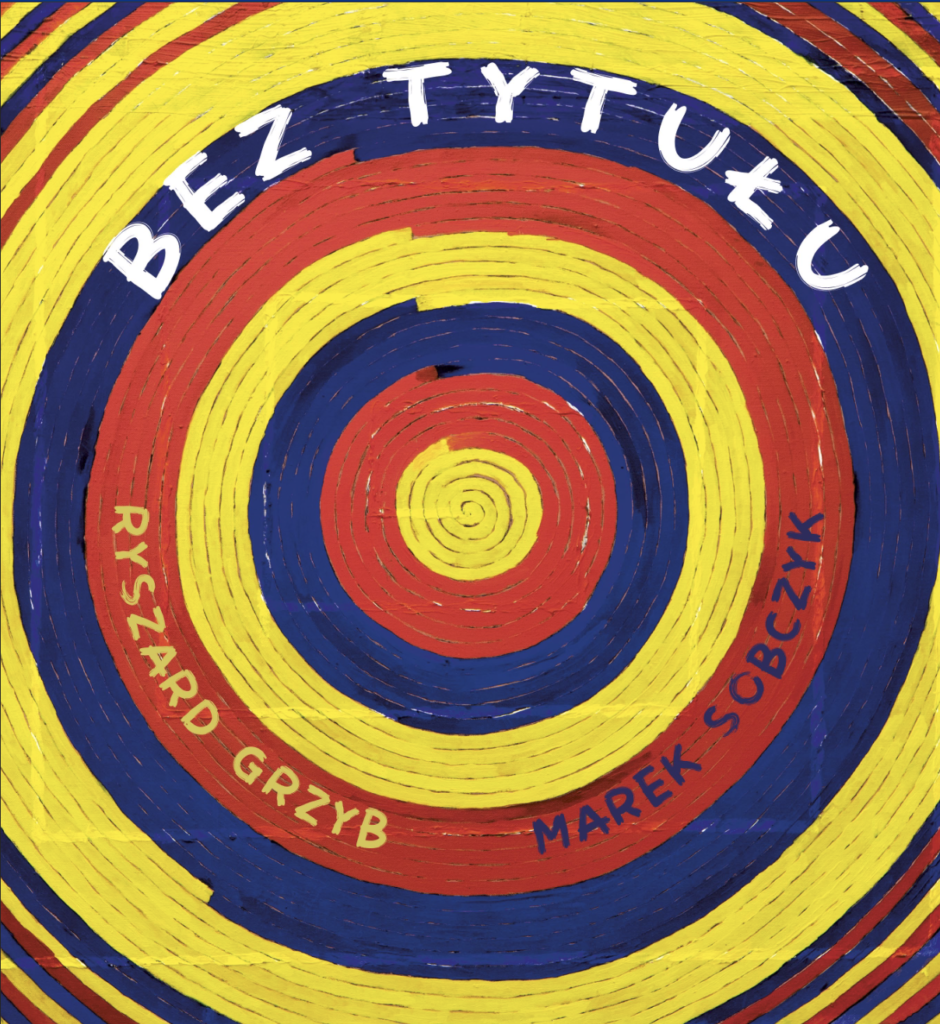
wystawa „Bez tytułu” Ryszard Grzyb, Marek Sobczyk
Marta Smolińska
Mały nosorożec i Donna Gentile:
o dialogu obrazów Ryszarda Grzyba i Marka Sobczyka
Wystawa „Ryszard Grzyb i Marek Sobczyk. Bez tytułu” w galerii SZOKART w Poznaniu prezentuje obrazy dwóch klasyków malarstwa, którzy od roku 1983 – wraz z czterema innymi studentami warszawskiej Akademii Sztuk Pięknych Pawłem Kowalewskim, Jarosławem Modzelewskim, Włodzimierzem Pawlakiem i Ryszardem Woźniakiem – współtworzyli słynną Gruppę. Jak podkreśla Ewa Gorządek: „Gruppa to jedna z najciekawszych manifestacji twórczych w sztuce polskiej lat osiemdziesiątych. Stanowiła raczej zbiór indywidualności połączonychprzyjaźniami artystycznymi i wyraźnie akcentujących swoją odrębność, niż kolektyw pracujący według jednolitego programu.” Łączyła ich na pewno bliskość do popularnej wówczas na Zachodzie estetyki Nowej Ekspresji czy Neue Wilde, która zdominowała Documenta VII w roku 1982.
Tzw. „nowi dzicy”, do których zaliczali się również Ryszard Grzyb i Marek Sobczyk, nie wpisywali się w latach 80. w nurt sztuki przykościelnej, ponieważ stawiali – jak trafnie ujęła to Jolanta Ciesielska – bardziej na dionizyjską radość profanum niż na sacrum. Ponadto jawnie kpili z tradycji i wyrażali antyklerykalne poglądy. Preferowali ironię, bunt, obalanie dotychczasowych hierarchii, ekspresjonistyczną spontaniczność, eksperymenty formalne i poczucie wolności, czasami także rubaszny humor. Fascynowali się jednocześnie malarstwem Andrzeja Wróblewskiego, jak i ikonami pop kultury. Ryszard Ziarkiewicz sugerował, że członkowie Gruppy penetrowali wszelkie sfery rzeczywistości, także i te „mało wzniosłe”. W relacji do ich twórczości kolejni krytycy uwypuklali narracyjność, parodystyczność, karnawałowość, pasożytowanie na malarskich konwencjach, publicystyczność, agresywność oraz wizualno-językową dosadność.Malarstwo twórców takich jak Ryszard Grzyb i Marek Sobczyk wpisywano także w ramę pojęcia transawangardy, zwracając uwagę na korzystanie z tradycji sztuki, także tej przedawangardowej, łączenie rozmaitych technik, ludyczność, figuratywność i subiektywizm. Jako transawangardowe w ich obrazach postrzegano także odrzucenie ideologii nowości, oryginalności, autentyczności i wyjątkowości oraz pozytywny stosunek do kultury masowej.
Lata 80. XX wieku – czas wspólnego, formacyjnego gestu – były zatem momentem, w którym malarstwo stało się polem otwartego sprzeciwu. Gruppa odrzucała estetyczną neutralność, wchodząc w przestrzeń politycznego i egzystencjalnego niepokoju. Ich obrazy krzyczały kolorem, deformacją, szyderstwem i paradoksem. Jak mówili, malarstwo miało być żywe, reagujące, „wkurzone”. To doświadczenie do dziś rezonuje w twórczości Ryszarda Grzyba i Marka Sobczyka – choć każdy z nich prowadzi swoją odrębną narrację.
Na łamach fanzinu „Oj, dobrze już”, który Gruppa wydawała w latach 1984-1989 Ryszard Grzyb podkreślał: „Śmiech, autoprowokacja jako konieczny warunek, żeby nie stać się trupem. Autoprowokacja jako konieczna higiena.” Słowo – często o prowokacyjnym ładunku – zarówno w fanzinie, jak i na płótnach, w ich tytułach oraz w wypowiedziach artystów, zawsze odgrywało niezwykle istotną rolę. Zdaniem Jana Michalskiego, który poświęcił temu zagadnieniu tekst „Ikonografia Gruppy w świetle poezji tytułów”, członkowie Gruppy, stawiając na wymyślne nazwy poszczególnych kompozycji, uciekali przed patosem i opresją historii, próbując wyzwolić się „z kolein narodowej celebry”. Starsza generacja artystów uznawała trywializację, po którą tak chętnie sięgają członkowie Gruppy, za objaw nihilizmu – Ryszard Grzyb i Marek Sobczyk tym chętniej więc podkręcali te nastroje.
Wystawa „Ryszard Grzyb i Marek Sobczyk. Bez tytułu” w galerii SZOKART w Poznaniu, na której można zobaczyć obrazy obu artystów od lat 80. po obecny moment ich twórczości, jest wydarzeniem, które także prowokuje tytułem. Nazywa się bowiem „Bez tytułu” – by dodatkowo zwrócić uwagę na fakt, że obaj artyści od dekad operują tytułem jak ostrzem: precyzyjnym, ironicznym, naruszającym hierarchie, często bardziej dosadnym niż obraz. Ten przewrotny gest zapowiada napięcie między nazwaniem a wymknięciem się nazwie, między deklaracją a jej podważeniem. A wszystko to w kontekście historii, w ramach której zarówno Ryszard Grzyb, jak i Marek Sobczyk, uprawiali i nadal uprawiają gry słowne, nawiązując do napisów na murach, sloganów politycznych, slangu młodzieżowego, języka literackiego, jakby nadal licytowali się na tytuły, co czynili często i ochoczo w czasie wernisaży w latach 80.
Jednym z najwcześniejszych i najsłynniejszych obrazów z tamtej dekady, prezentowanych na wystawie w galerii SZOKART, jest płótno Marka Sobczyka „Donna Gentile pokazuje srom Dantemu” z roku 1985. To praca, która konfrontuje wysoką tradycję literacką z cielesnością, sacrum z profanum, patos z obsceną. Marek Sobczyk nie prowokuje oczywiście dla samej prowokacji; jego obrazy są laboratorium idei. Dante i Donna Gentile – postaci zakorzenione w kanonie – zostają tu wpisane w scenę demaskującą mechanizmy kulturowego uwznioślenia. Artysta podważa autorytety, rozszczelnia narracje, ujawnia napięcia między językiem a obrazem.Jak pisze przywołany już wyżej Jan Michalski, artysta dokonuje tu interwencji słownej, swobodnie łącząc rzadkie wyrazy z kolokwializmami i wulgaryzmami.
Analogicznie „mocnym uderzeniem” jest tytuł najwcześniejszej na wystawie pracy Ryszarda Grzyba „Wpierdzający sie w sztukę, ale jest jeszcze coś więcej (Beuys wpierdzający sie w Rubensa)”, pochodzącej z roku 1984. Artysta z iście lingwistyczną dezynwolturą łączy czynność fizjologiczną ze sztuką i nazwiskami z historii sztuki. Nie zważa na nieprzystawalność tych porządków, grając na nosie osobom o pruderyjnej i mieszczańskiej mentalności. Z roku 1985 pochodzi natomiast kompozycja, opatrzona równie imponującym tytułem: „Patrz – Z tego jesteśmy zrobieni, z drobinek śmierci”. Widzimy demoniczną postać o diabelskiej twarzy, która prezentuje nam czerwone okruchy – owe drobinki śmierci, zwiastujące nasz kres. Czarna sylwetka jest niezwykle ekspresyjna, a ponadto każe nam na siebie patrzeć, nie pozwalając odwrócić spojrzenia.
Z lat 90. pochodzą z kolei takie prace jak „Matka noce całe musi tańczyć, pić, bo ma dziecko małe, ma dla kogo żyć, ciało ma zwiotczałe, goni resztką sił, bo ma dziecko małe, krew wypruwa z żył” Marka Sobczyka czy „Mały nosorożec” i „Głowa kota” Ryszarda Grzyba. W kompozycji „Matka noce całe…” artysta zbudował typowe dla swojej twórczości napięcie pomiędzy tym, co słowne, a tym, co wizualne – pomiędzy językiem a obrazem. Styl jest linearny, oszczędny, a dzięki zestawieniu z tekstem płótno zyskuje ogromną siłę przekazu. Ryszard Grzyb sięga z kolei po jeden ze swoich ulubionych wątków – motywy fauny. Jego zwierzęta – nosorożce, ptaki, fantastyczne bestie – są zarazem pradawne i współczesne. W tekście „Dlaczego zwierzęta? Dlatego” malarz ten pisał: „Zwierzę jako pierwszy temat malarstwa, współobywatel świata, towarzysz umieszczony ręką Boga w egzystencji”. Ta deklaracja odsłania jego strategię: powrót do archetypów i pierwotności, która ujawnia się w wizerunkach zwierząt. „Przypadkowy nosorożec wywołał lawinę nosorożców” – notuje artysta, wskazując na proces, w którym motyw urasta do rangi wewnętrznego znaku. Nosorożec staje się figurą samotności, ale i trwania: „Nosorożec – stare, pradawne zwierzę. Malarstwo – stara forma sztuki w świecie komputerów i techniki XXI wieku”. To porównanie odsłania autoironiczny i autoprowokacyjny wymiar jego twórczości: malarstwo jako byt archaiczny, a jednak niezbywalny, a jak wiadomo autoprowokacja jest konieczną higieną.
Na niektórych ścianach poznańskiej galerii SZOKART w ramach tej wystawy dochodzi także do eksplozji koloru w jego ekspresyjnej roli. U Ryszarda Grzyba kolor jest energią. Malarstwo, operujące własnymi środkami wyrazu, które – jak chciał Barnett Newman, cytowany przez autora „Małego nosorożca” – nie potrzebuje teorii, by istnieć: „Estetyka jest tym dla artystów, czym ornitologia dla ptaka”. Z kolei Marek Sobczyk operuje inną temperaturą, choć równie intensywną. Jego obrazy są polem semantycznego starcia. Słowa – wpisane w kompozycję – nie tyle opisują, ile destabilizują wewnątrzobrazowe porządki.
W obrazach tego artysty silnie zauważalne jest również polityczne zaangażowanie, które ma charakter krytyczny, a często również ironiczny. W latach 80. jego obrazy były bezpośrednim komentarzem do rzeczywistości PRL; dziś komentują kondycję demokracji nie tylko w Polsce, lecz i w Ameryce, manipulację językiem, populizm czy rolę artysty w przestrzeni publicznej. Jego malarstwo jest polem dyskusji – z historią, z religią, z ideologiami oraz z autorytetami i autokratami. Wpisane w nie zdania działają jak transparenty, lecz zamiast jednoznacznych haseł oferują ambiwalencję, paradoks i wieloznaczność, co doskonale widać na takich płótnach jak „Pilz – Polenregenbogen” (2022) czy „Ateizm-Samolot-Krzyż [Ulica Smoleńsk]” (2016).
Kompozycje Ryszarda Grzyba, powstałe po roku 2000, podejmują m.in. problem relacji z obrazem cyfrowym — widoczny na przykład na płótnie „164-175 (jotpegi)” z roku 2009, czy dialogi ze sztuką spoza kanonu tzw. świata zachodniego, wywołującą asocjacje z twórczością afrykańską, aborygeńską czy jaskiniową. Fascynacje te wyraźnie wybrzmiewają w dziełach takich jak „Zaire” (2015), „Strażnik świątyni” (2015), czy w powstałych przed trzema laty „Niech cię chmury rozrzucą po płonącej plaży” i „Radość marchwi jest również samotna”.
Zestawienie dzieł Ryszarda Grzyba i Marka Sobczyka w przestrzeni galerii SZOKART odsłania dialog dwóch temperamentów. Jeden – zanurzony w archaicznym micie zwierzęcia, drugi – w ironicznej dekonstrukcji kulturowych narracji. Obaj jednak pozostają wierni malarstwu jako medium ekspresji i sprzeciwu. Ich obrazy są gestem oporu wobec wszelkiego rodzaju konformizmów. W świecie przyspieszonej komunikacji artyści ci malują powoli, z namysłem, intensywnie, analogowo. Ekspresja nie jest w ich œuvre stylistycznym efektem, lecz formą myślenia. Dialogiczna wystawa „Bez tytułu” w galerii SZOKART staje się więc przestrzenią, w której klasycy Gruppy pokazują, że malarstwo – mimo swojej „bezszelestności”, jak pisał Ryszard Grzyb – wciąż potrafi mówić głośno.
Marta Smolińska
Mały nosorożec i Donna Gentile:
o dialogu obrazów Ryszarda Grzyba i Marka Sobczyka
Wystawa „Ryszard Grzyb i Marek Sobczyk. Bez tytułu” w galerii SZOKART w Poznaniu prezentuje obrazy dwóch klasyków malarstwa, którzy od roku 1983 – wraz z czterema innymi studentami warszawskiej Akademii Sztuk Pięknych Pawłem Kowalewskim, Jarosławem Modzelewskim, Włodzimierzem Pawlakiem i Ryszardem Woźniakiem – współtworzyli słynną Gruppę. Jak podkreśla Ewa Gorządek: „Gruppa to jedna z najciekawszych manifestacji twórczych w sztuce polskiej lat osiemdziesiątych. Stanowiła raczej zbiór indywidualności połączonychprzyjaźniami artystycznymi i wyraźnie akcentujących swoją odrębność, niż kolektyw pracujący według jednolitego programu.” Łączyła ich na pewno bliskość do popularnej wówczas na Zachodzie estetyki Nowej Ekspresji czy Neue Wilde, która zdominowała Documenta VII w roku 1982.
Tzw. „nowi dzicy”, do których zaliczali się również Ryszard Grzyb i Marek Sobczyk, nie wpisywali się w latach 80. w nurt sztuki przykościelnej, ponieważ stawiali – jak trafnie ujęła to Jolanta Ciesielska – bardziej na dionizyjską radość profanum niż na sacrum. Ponadto jawnie kpili z tradycji i wyrażali antyklerykalne poglądy. Preferowali ironię, bunt, obalanie dotychczasowych hierarchii, ekspresjonistyczną spontaniczność, eksperymenty formalne i poczucie wolności, czasami także rubaszny humor. Fascynowali się jednocześnie malarstwem Andrzeja Wróblewskiego, jak i ikonami pop kultury. Ryszard Ziarkiewicz sugerował, że członkowie Gruppy penetrowali wszelkie sfery rzeczywistości, także i te „mało wzniosłe”. W relacji do ich twórczości kolejni krytycy uwypuklali narracyjność, parodystyczność, karnawałowość, pasożytowanie na malarskich konwencjach, publicystyczność, agresywność oraz wizualno-językową dosadność.Malarstwo twórców takich jak Ryszard Grzyb i Marek Sobczyk wpisywano także w ramę pojęcia transawangardy, zwracając uwagę na korzystanie z tradycji sztuki, także tej przedawangardowej, łączenie rozmaitych technik, ludyczność, figuratywność i subiektywizm. Jako transawangardowe w ich obrazach postrzegano także odrzucenie ideologii nowości, oryginalności, autentyczności i wyjątkowości oraz pozytywny stosunek do kultury masowej.
Lata 80. XX wieku – czas wspólnego, formacyjnego gestu – były zatem momentem, w którym malarstwo stało się polem otwartego sprzeciwu. Gruppa odrzucała estetyczną neutralność, wchodząc w przestrzeń politycznego i egzystencjalnego niepokoju. Ich obrazy krzyczały kolorem, deformacją, szyderstwem i paradoksem. Jak mówili, malarstwo miało być żywe, reagujące, „wkurzone”. To doświadczenie do dziś rezonuje w twórczości Ryszarda Grzyba i Marka Sobczyka – choć każdy z nich prowadzi swoją odrębną narrację.
Na łamach fanzinu „Oj, dobrze już”, który Gruppa wydawała w latach 1984-1989 Ryszard Grzyb podkreślał: „Śmiech, autoprowokacja jako konieczny warunek, żeby nie stać się trupem. Autoprowokacja jako konieczna higiena.” Słowo – często o prowokacyjnym ładunku – zarówno w fanzinie, jak i na płótnach, w ich tytułach oraz w wypowiedziach artystów, zawsze odgrywało niezwykle istotną rolę. Zdaniem Jana Michalskiego, który poświęcił temu zagadnieniu tekst „Ikonografia Gruppy w świetle poezji tytułów”, członkowie Gruppy, stawiając na wymyślne nazwy poszczególnych kompozycji, uciekali przed patosem i opresją historii, próbując wyzwolić się „z kolein narodowej celebry”. Starsza generacja artystów uznawała trywializację, po którą tak chętnie sięgają członkowie Gruppy, za objaw nihilizmu – Ryszard Grzyb i Marek Sobczyk tym chętniej więc podkręcali te nastroje.
Wystawa „Ryszard Grzyb i Marek Sobczyk. Bez tytułu” w galerii SZOKART w Poznaniu, na której można zobaczyć obrazy obu artystów od lat 80. po obecny moment ich twórczości, jest wydarzeniem, które także prowokuje tytułem. Nazywa się bowiem „Bez tytułu” – by dodatkowo zwrócić uwagę na fakt, że obaj artyści od dekad operują tytułem jak ostrzem: precyzyjnym, ironicznym, naruszającym hierarchie, często bardziej dosadnym niż obraz. Ten przewrotny gest zapowiada napięcie między nazwaniem a wymknięciem się nazwie, między deklaracją a jej podważeniem. A wszystko to w kontekście historii, w ramach której zarówno Ryszard Grzyb, jak i Marek Sobczyk, uprawiali i nadal uprawiają gry słowne, nawiązując do napisów na murach, sloganów politycznych, slangu młodzieżowego, języka literackiego, jakby nadal licytowali się na tytuły, co czynili często i ochoczo w czasie wernisaży w latach 80.
Jednym z najwcześniejszych i najsłynniejszych obrazów z tamtej dekady, prezentowanych na wystawie w galerii SZOKART, jest płótno Marka Sobczyka „Donna Gentile pokazuje srom Dantemu” z roku 1985. To praca, która konfrontuje wysoką tradycję literacką z cielesnością, sacrum z profanum, patos z obsceną. Marek Sobczyk nie prowokuje oczywiście dla samej prowokacji; jego obrazy są laboratorium idei. Dante i Donna Gentile – postaci zakorzenione w kanonie – zostają tu wpisane w scenę demaskującą mechanizmy kulturowego uwznioślenia. Artysta podważa autorytety, rozszczelnia narracje, ujawnia napięcia między językiem a obrazem.Jak pisze przywołany już wyżej Jan Michalski, artysta dokonuje tu interwencji słownej, swobodnie łącząc rzadkie wyrazy z kolokwializmami i wulgaryzmami.
Analogicznie „mocnym uderzeniem” jest tytuł najwcześniejszej na wystawie pracy Ryszarda Grzyba „Wpierdzający sie w sztukę, ale jest jeszcze coś więcej (Beuys wpierdzający sie w Rubensa)”, pochodzącej z roku 1984. Artysta z iście lingwistyczną dezynwolturą łączy czynność fizjologiczną ze sztuką i nazwiskami z historii sztuki. Nie zważa na nieprzystawalność tych porządków, grając na nosie osobom o pruderyjnej i mieszczańskiej mentalności. Z roku 1985 pochodzi natomiast kompozycja, opatrzona równie imponującym tytułem: „Patrz – Z tego jesteśmy zrobieni, z drobinek śmierci”. Widzimy demoniczną postać o diabelskiej twarzy, która prezentuje nam czerwone okruchy – owe drobinki śmierci, zwiastujące nasz kres. Czarna sylwetka jest niezwykle ekspresyjna, a ponadto każe nam na siebie patrzeć, nie pozwalając odwrócić spojrzenia.
Z lat 90. pochodzą z kolei takie prace jak „Matka noce całe musi tańczyć, pić, bo ma dziecko małe, ma dla kogo żyć, ciało ma zwiotczałe, goni resztką sił, bo ma dziecko małe, krew wypruwa z żył” Marka Sobczyka czy „Mały nosorożec” i „Głowa kota” Ryszarda Grzyba. W kompozycji „Matka noce całe…” artysta zbudował typowe dla swojej twórczości napięcie pomiędzy tym, co słowne, a tym, co wizualne – pomiędzy językiem a obrazem. Styl jest linearny, oszczędny, a dzięki zestawieniu z tekstem płótno zyskuje ogromną siłę przekazu. Ryszard Grzyb sięga z kolei po jeden ze swoich ulubionych wątków – motywy fauny. Jego zwierzęta – nosorożce, ptaki, fantastyczne bestie – są zarazem pradawne i współczesne. W tekście „Dlaczego zwierzęta? Dlatego” malarz ten pisał: „Zwierzę jako pierwszy temat malarstwa, współobywatel świata, towarzysz umieszczony ręką Boga w egzystencji”. Ta deklaracja odsłania jego strategię: powrót do archetypów i pierwotności, która ujawnia się w wizerunkach zwierząt. „Przypadkowy nosorożec wywołał lawinę nosorożców” – notuje artysta, wskazując na proces, w którym motyw urasta do rangi wewnętrznego znaku. Nosorożec staje się figurą samotności, ale i trwania: „Nosorożec – stare, pradawne zwierzę. Malarstwo – stara forma sztuki w świecie komputerów i techniki XXI wieku”. To porównanie odsłania autoironiczny i autoprowokacyjny wymiar jego twórczości: malarstwo jako byt archaiczny, a jednak niezbywalny, a jak wiadomo autoprowokacja jest konieczną higieną.
Na niektórych ścianach poznańskiej galerii SZOKART w ramach tej wystawy dochodzi także do eksplozji koloru w jego ekspresyjnej roli. U Ryszarda Grzyba kolor jest energią. Malarstwo, operujące własnymi środkami wyrazu, które – jak chciał Barnett Newman, cytowany przez autora „Małego nosorożca” – nie potrzebuje teorii, by istnieć: „Estetyka jest tym dla artystów, czym ornitologia dla ptaka”. Z kolei Marek Sobczyk operuje inną temperaturą, choć równie intensywną. Jego obrazy są polem semantycznego starcia. Słowa – wpisane w kompozycję – nie tyle opisują, ile destabilizują wewnątrzobrazowe porządki.
W obrazach tego artysty silnie zauważalne jest również polityczne zaangażowanie, które ma charakter krytyczny, a często również ironiczny. W latach 80. jego obrazy były bezpośrednim komentarzem do rzeczywistości PRL; dziś komentują kondycję demokracji nie tylko w Polsce, lecz i w Ameryce, manipulację językiem, populizm czy rolę artysty w przestrzeni publicznej. Jego malarstwo jest polem dyskusji – z historią, z religią, z ideologiami oraz z autorytetami i autokratami. Wpisane w nie zdania działają jak transparenty, lecz zamiast jednoznacznych haseł oferują ambiwalencję, paradoks i wieloznaczność, co doskonale widać na takich płótnach jak „Pilz – Polenregenbogen” (2022) czy „Ateizm-Samolot-Krzyż [Ulica Smoleńsk]” (2016).
Kompozycje Ryszarda Grzyba, powstałe po roku 2000, podejmują m.in. problem relacji z obrazem cyfrowym — widoczny na przykład na płótnie „164-175 (jotpegi)” z roku 2009, czy dialogi ze sztuką spoza kanonu tzw. świata zachodniego, wywołującą asocjacje z twórczością afrykańską, aborygeńską czy jaskiniową. Fascynacje te wyraźnie wybrzmiewają w dziełach takich jak „Zaire” (2015), „Strażnik świątyni” (2015), czy w powstałych przed trzema laty „Niech cię chmury rozrzucą po płonącej plaży” i „Radość marchwi jest również samotna”.
Zestawienie dzieł Ryszarda Grzyba i Marka Sobczyka w przestrzeni galerii SZOKART odsłania dialog dwóch temperamentów. Jeden – zanurzony w archaicznym micie zwierzęcia, drugi – w ironicznej dekonstrukcji kulturowych narracji. Obaj jednak pozostają wierni malarstwu jako medium ekspresji i sprzeciwu. Ich obrazy są gestem oporu wobec wszelkiego rodzaju konformizmów. W świecie przyspieszonej komunikacji artyści ci malują powoli, z namysłem, intensywnie, analogowo. Ekspresja nie jest w ich œuvre stylistycznym efektem, lecz formą myślenia. Dialogiczna wystawa „Bez tytułu” w galerii SZOKART staje się więc przestrzenią, w której klasycy Gruppy pokazują, że malarstwo – mimo swojej „bezszelestności”, jak pisał Ryszard Grzyb – wciąż potrafi mówić głośno.
Marta Smolińska
Mały nosorożec i Donna Gentile:
o dialogu obrazów Ryszarda Grzyba i Marka Sobczyka
Wystawa „Ryszard Grzyb i Marek Sobczyk. Bez tytułu” w galerii SZOKART w Poznaniu prezentuje obrazy dwóch klasyków malarstwa, którzy od roku 1983 – wraz z czterema innymi studentami warszawskiej Akademii Sztuk Pięknych Pawłem Kowalewskim, Jarosławem Modzelewskim, Włodzimierzem Pawlakiem i Ryszardem Woźniakiem – współtworzyli słynną Gruppę. Jak podkreśla Ewa Gorządek: „Gruppa to jedna z najciekawszych manifestacji twórczych w sztuce polskiej lat osiemdziesiątych. Stanowiła raczej zbiór indywidualności połączonychprzyjaźniami artystycznymi i wyraźnie akcentujących swoją odrębność, niż kolektyw pracujący według jednolitego programu.” Łączyła ich na pewno bliskość do popularnej wówczas na Zachodzie estetyki Nowej Ekspresji czy Neue Wilde, która zdominowała Documenta VII w roku 1982.
Tzw. „nowi dzicy”, do których zaliczali się również Ryszard Grzyb i Marek Sobczyk, nie wpisywali się w latach 80. w nurt sztuki przykościelnej, ponieważ stawiali – jak trafnie ujęła to Jolanta Ciesielska – bardziej na dionizyjską radość profanum niż na sacrum. Ponadto jawnie kpili z tradycji i wyrażali antyklerykalne poglądy. Preferowali ironię, bunt, obalanie dotychczasowych hierarchii, ekspresjonistyczną spontaniczność, eksperymenty formalne i poczucie wolności, czasami także rubaszny humor. Fascynowali się jednocześnie malarstwem Andrzeja Wróblewskiego, jak i ikonami pop kultury. Ryszard Ziarkiewicz sugerował, że członkowie Gruppy penetrowali wszelkie sfery rzeczywistości, także i te „mało wzniosłe”. W relacji do ich twórczości kolejni krytycy uwypuklali narracyjność, parodystyczność, karnawałowość, pasożytowanie na malarskich konwencjach, publicystyczność, agresywność oraz wizualno-językową dosadność.Malarstwo twórców takich jak Ryszard Grzyb i Marek Sobczyk wpisywano także w ramę pojęcia transawangardy, zwracając uwagę na korzystanie z tradycji sztuki, także tej przedawangardowej, łączenie rozmaitych technik, ludyczność, figuratywność i subiektywizm. Jako transawangardowe w ich obrazach postrzegano także odrzucenie ideologii nowości, oryginalności, autentyczności i wyjątkowości oraz pozytywny stosunek do kultury masowej.
Lata 80. XX wieku – czas wspólnego, formacyjnego gestu – były zatem momentem, w którym malarstwo stało się polem otwartego sprzeciwu. Gruppa odrzucała estetyczną neutralność, wchodząc w przestrzeń politycznego i egzystencjalnego niepokoju. Ich obrazy krzyczały kolorem, deformacją, szyderstwem i paradoksem. Jak mówili, malarstwo miało być żywe, reagujące, „wkurzone”. To doświadczenie do dziś rezonuje w twórczości Ryszarda Grzyba i Marka Sobczyka – choć każdy z nich prowadzi swoją odrębną narrację.
Na łamach fanzinu „Oj, dobrze już”, który Gruppa wydawała w latach 1984-1989 Ryszard Grzyb podkreślał: „Śmiech, autoprowokacja jako konieczny warunek, żeby nie stać się trupem. Autoprowokacja jako konieczna higiena.” Słowo – często o prowokacyjnym ładunku – zarówno w fanzinie, jak i na płótnach, w ich tytułach oraz w wypowiedziach artystów, zawsze odgrywało niezwykle istotną rolę. Zdaniem Jana Michalskiego, który poświęcił temu zagadnieniu tekst „Ikonografia Gruppy w świetle poezji tytułów”, członkowie Gruppy, stawiając na wymyślne nazwy poszczególnych kompozycji, uciekali przed patosem i opresją historii, próbując wyzwolić się „z kolein narodowej celebry”. Starsza generacja artystów uznawała trywializację, po którą tak chętnie sięgają członkowie Gruppy, za objaw nihilizmu – Ryszard Grzyb i Marek Sobczyk tym chętniej więc podkręcali te nastroje.
Wystawa „Ryszard Grzyb i Marek Sobczyk. Bez tytułu” w galerii SZOKART w Poznaniu, na której można zobaczyć obrazy obu artystów od lat 80. po obecny moment ich twórczości, jest wydarzeniem, które także prowokuje tytułem. Nazywa się bowiem „Bez tytułu” – by dodatkowo zwrócić uwagę na fakt, że obaj artyści od dekad operują tytułem jak ostrzem: precyzyjnym, ironicznym, naruszającym hierarchie, często bardziej dosadnym niż obraz. Ten przewrotny gest zapowiada napięcie między nazwaniem a wymknięciem się nazwie, między deklaracją a jej podważeniem. A wszystko to w kontekście historii, w ramach której zarówno Ryszard Grzyb, jak i Marek Sobczyk, uprawiali i nadal uprawiają gry słowne, nawiązując do napisów na murach, sloganów politycznych, slangu młodzieżowego, języka literackiego, jakby nadal licytowali się na tytuły, co czynili często i ochoczo w czasie wernisaży w latach 80.
Jednym z najwcześniejszych i najsłynniejszych obrazów z tamtej dekady, prezentowanych na wystawie w galerii SZOKART, jest płótno Marka Sobczyka „Donna Gentile pokazuje srom Dantemu” z roku 1985. To praca, która konfrontuje wysoką tradycję literacką z cielesnością, sacrum z profanum, patos z obsceną. Marek Sobczyk nie prowokuje oczywiście dla samej prowokacji; jego obrazy są laboratorium idei. Dante i Donna Gentile – postaci zakorzenione w kanonie – zostają tu wpisane w scenę demaskującą mechanizmy kulturowego uwznioślenia. Artysta podważa autorytety, rozszczelnia narracje, ujawnia napięcia między językiem a obrazem.Jak pisze przywołany już wyżej Jan Michalski, artysta dokonuje tu interwencji słownej, swobodnie łącząc rzadkie wyrazy z kolokwializmami i wulgaryzmami.
Analogicznie „mocnym uderzeniem” jest tytuł najwcześniejszej na wystawie pracy Ryszarda Grzyba „Wpierdzający sie w sztukę, ale jest jeszcze coś więcej (Beuys wpierdzający sie w Rubensa)”, pochodzącej z roku 1984. Artysta z iście lingwistyczną dezynwolturą łączy czynność fizjologiczną ze sztuką i nazwiskami z historii sztuki. Nie zważa na nieprzystawalność tych porządków, grając na nosie osobom o pruderyjnej i mieszczańskiej mentalności. Z roku 1985 pochodzi natomiast kompozycja, opatrzona równie imponującym tytułem: „Patrz – Z tego jesteśmy zrobieni, z drobinek śmierci”. Widzimy demoniczną postać o diabelskiej twarzy, która prezentuje nam czerwone okruchy – owe drobinki śmierci, zwiastujące nasz kres. Czarna sylwetka jest niezwykle ekspresyjna, a ponadto każe nam na siebie patrzeć, nie pozwalając odwrócić spojrzenia.
Z lat 90. pochodzą z kolei takie prace jak „Matka noce całe musi tańczyć, pić, bo ma dziecko małe, ma dla kogo żyć, ciało ma zwiotczałe, goni resztką sił, bo ma dziecko małe, krew wypruwa z żył” Marka Sobczyka czy „Mały nosorożec” i „Głowa kota” Ryszarda Grzyba. W kompozycji „Matka noce całe…” artysta zbudował typowe dla swojej twórczości napięcie pomiędzy tym, co słowne, a tym, co wizualne – pomiędzy językiem a obrazem. Styl jest linearny, oszczędny, a dzięki zestawieniu z tekstem płótno zyskuje ogromną siłę przekazu. Ryszard Grzyb sięga z kolei po jeden ze swoich ulubionych wątków – motywy fauny. Jego zwierzęta – nosorożce, ptaki, fantastyczne bestie – są zarazem pradawne i współczesne. W tekście „Dlaczego zwierzęta? Dlatego” malarz ten pisał: „Zwierzę jako pierwszy temat malarstwa, współobywatel świata, towarzysz umieszczony ręką Boga w egzystencji”. Ta deklaracja odsłania jego strategię: powrót do archetypów i pierwotności, która ujawnia się w wizerunkach zwierząt. „Przypadkowy nosorożec wywołał lawinę nosorożców” – notuje artysta, wskazując na proces, w którym motyw urasta do rangi wewnętrznego znaku. Nosorożec staje się figurą samotności, ale i trwania: „Nosorożec – stare, pradawne zwierzę. Malarstwo – stara forma sztuki w świecie komputerów i techniki XXI wieku”. To porównanie odsłania autoironiczny i autoprowokacyjny wymiar jego twórczości: malarstwo jako byt archaiczny, a jednak niezbywalny, a jak wiadomo autoprowokacja jest konieczną higieną.
Na niektórych ścianach poznańskiej galerii SZOKART w ramach tej wystawy dochodzi także do eksplozji koloru w jego ekspresyjnej roli. U Ryszarda Grzyba kolor jest energią. Malarstwo, operujące własnymi środkami wyrazu, które – jak chciał Barnett Newman, cytowany przez autora „Małego nosorożca” – nie potrzebuje teorii, by istnieć: „Estetyka jest tym dla artystów, czym ornitologia dla ptaka”. Z kolei Marek Sobczyk operuje inną temperaturą, choć równie intensywną. Jego obrazy są polem semantycznego starcia. Słowa – wpisane w kompozycję – nie tyle opisują, ile destabilizują wewnątrzobrazowe porządki.
W obrazach tego artysty silnie zauważalne jest również polityczne zaangażowanie, które ma charakter krytyczny, a często również ironiczny. W latach 80. jego obrazy były bezpośrednim komentarzem do rzeczywistości PRL; dziś komentują kondycję demokracji nie tylko w Polsce, lecz i w Ameryce, manipulację językiem, populizm czy rolę artysty w przestrzeni publicznej. Jego malarstwo jest polem dyskusji – z historią, z religią, z ideologiami oraz z autorytetami i autokratami. Wpisane w nie zdania działają jak transparenty, lecz zamiast jednoznacznych haseł oferują ambiwalencję, paradoks i wieloznaczność, co doskonale widać na takich płótnach jak „Pilz – Polenregenbogen” (2022) czy „Ateizm-Samolot-Krzyż [Ulica Smoleńsk]” (2016).
Kompozycje Ryszarda Grzyba, powstałe po roku 2000, podejmują m.in. problem relacji z obrazem cyfrowym — widoczny na przykład na płótnie „164-175 (jotpegi)” z roku 2009, czy dialogi ze sztuką spoza kanonu tzw. świata zachodniego, wywołującą asocjacje z twórczością afrykańską, aborygeńską czy jaskiniową. Fascynacje te wyraźnie wybrzmiewają w dziełach takich jak „Zaire” (2015), „Strażnik świątyni” (2015), czy w powstałych przed trzema laty „Niech cię chmury rozrzucą po płonącej plaży” i „Radość marchwi jest również samotna”.
Zestawienie dzieł Ryszarda Grzyba i Marka Sobczyka w przestrzeni galerii SZOKART odsłania dialog dwóch temperamentów. Jeden – zanurzony w archaicznym micie zwierzęcia, drugi – w ironicznej dekonstrukcji kulturowych narracji. Obaj jednak pozostają wierni malarstwu jako medium ekspresji i sprzeciwu. Ich obrazy są gestem oporu wobec wszelkiego rodzaju konformizmów. W świecie przyspieszonej komunikacji artyści ci malują powoli, z namysłem, intensywnie, analogowo. Ekspresja nie jest w ich œuvre stylistycznym efektem, lecz formą myślenia. Dialogiczna wystawa „Bez tytułu” w galerii SZOKART staje się więc przestrzenią, w której klasycy Gruppy pokazują, że malarstwo – mimo swojej „bezszelestności”, jak pisał Ryszard Grzyb – wciąż potrafi mówić głośno.
Marta Smolińska
A Little Hippo and a Donna Gentile:
the Dialogue between the Paintings of Ryszard Grzyb and Marek Sobczyk
The exhibition Ryszard Grzyb and Marek Sobczyk: Untitled in Poznań’s SZOKART Gallery showcases works by two classic painters who in 1983, along with four other students of the Warsaw Academy of Fine Arts – Paweł Kowalewski, Jarosław Modzelewski, Włodzimierz Pawlak, and Ryszard Woźniak – founded the famous group Gruppa. As Ewa Gorządek has stressed: ‘Gruppa was one of the most interesting creative phenomena in the Polish art of the 1980s. It was more a collection of individualities joined by artistic friendships and decisively foregrounding their distinctness than a collective working together on the basis of a unified programme.’ Nonetheless, they in all certainty shared an affinity for the New Expression or Neue Wilde aesthetics that were popular at the time and dominated Documenta VII in 1982.
These ‘new savages’, among whom were Ryszard Grzyb and Marek Sobczyk, did not fit in with the church-aligned art of the 1980s because, as Jolanta Ciesielska has so aptly explained, they were more interested in a profane, Dionysian ecstasy than in anything sacred. Indeed, they railed overtly at tradition and expressed anti-clerical views. They preferred irony, rebellion, anti-establishmentarianism, expressionist spontaneity, formal experimentation, and the idea of freedom, sometimes accompanied by a coarse brand of humour. They were fascinated in equal measure by the painting of Andrzej Wróblewski and icons of pop culture. Ryszard Ziarkiewicz has suggested that the members of Gruppa explored all areas of reality, including those ‘less than refined’. In relation to their art, successive critics have stressed its narrative, parodistic, carnivalesque character, its parasitic exploitation of painterly conventions, its focus on publicity, its aggression, and its forthright visual and linguistic style. The painting of artists such as Grzyb and Sobczyk has also been categorized as trans-avantgarde, for the fact that it draws on traditions in art, including the pre-avantgarde, blends a variety of techniques, and may be characterized as ludic, figurative, and subjective. Other trans-avantgarde aspects of their pictures include their rejection of the ideology of novelty, originality, authenticity, and uniqueness, and their positive attitude towards mass culture.
Thus the 1980s – a time of joint formative movements – were a moment when painting became a forum of overt opposition. Gruppa rejected the idea of aesthetic neutrality, and entered the arena of political and existential unease and unrest. Their paintings shouted colour, deformation, derision, and paradox. In their words, painting should be lively, reactive, and ‘annnoyed’. This experience continues to resonate in the work of Grzyb and Sobczyk to this day, though each of them conducts a separate narration.
In the fanzine Oj, dobrze już (There, there, now) published by Gruppa in the years 1984–1989, Ryszard Grzyb stressed: ‘Laughter, auto-provocation as a vital condition for not ending up as a corpse. Auto–provocation as vital hygiene.’ Words, often provocatively charged, always played a central role, not only in the fanzine, but equally so on their canvases, in their titles, and in statements by the artists themselves. Jan Michalski, who wrote a piece entitled ‘Ikonografia Gruppy w świetle poezji tytułów’ (Gruppa iconography in light of the poetry of its titles) on the subject,moots that in choosing imaginative names for their compositions, Gruppa members were fleeing the pathos and oppression of history and attempting to liberate themselves from ‘the ruts of national celebrity’. The older generation of artists saw the trivialization often adopted by Gruppa artists as a symptom of nihilism. This only encouraged Grzyb and Sobczyk to wind them up.
The exhibition Ryszard Grzyb and Marek Sobczyk: Untitled at SZOKART Gallery, which includes paintings by both artists dating from the 1980s until the present, likewise carries a provocative title. For the ‘Untitled’ part is a deliberate ploy to draw particular attention to the fact that for decades, both have wielded their titles like blades: with precision, irony, irreverence, and often more acerbity than the paintings themselves. This subversive move heralds the tension between naming and escaping nomenclature, between declaration and questioning. All of this is set against the context of their history, throughout which both Grzyb and Sobczyk have always played around with words, referencing graffiti on walls, political slogans, youth slang, and literary language, as if they were still competing on titles, something they often liked to do at vernissages in the ’80s.
One of the first and most famous paintings from that decade on display at the SZOKART exhibition is Sobczyk’s 1985 canvas The Donna Gentile Shows her Labia to Dante. This is a work that confronts elevated literary tradition with physicality, the sacred with the profane, and pathos with obscenity. Naturally, Sobczyk is not being provocative for the sake of it; his paintings are a laboratory of ideas. Dante and the Donna Gentile, as canonical figures, are here inscribed into a scene that lays bare the mechanisms of cultural exaltation. He subverts authorities, drives wedges into narratives, and reveals tensions between language and image. As the abovementioned Jan Michalski writes, Sobczyk’s intention here is to produce an intervention in words, arbitrarily combining rare expressions with colloquialisms and vulgarisms.
An analogously ‘hard blow’ is the title of the earliest of Ryszard Grzyb’s works on display here, Farting Around at Art, but There’s More Still (Beuys Farting Straight at Rubens) from 1984. With true linguistic flippancy, he combines a physiological act with art and big names from art history, with complete disregard for the incompatibility of the two orders, thumbing his nose at prudes and those of a bourgeois mentality. A composition from 1985 with an equally impressive title is Look – This Is What We’re Made Of, Particles of Death. It features a demonic figure with a devilish face, who is showing us some red crumbs – the particles of death that herald our end. The black silhouette is immensely expressive, and forces us to look at ourselves, not permitting us to look away.
Among works dating from the ’90s is one called Mother has to dance and drink the night away, cos she has a baby to get up for every day, body limp and flaccid, her work is never done, cos she has a baby, works her fingers to the bone by Marek Sobczyk, and The Little Rhinoceros and Head of a Cat by Ryszard Grzyb. In the composition Mother has to dance, Sobczyk creates his signature tension between the verbal and the visual – between language and image. The style is linear, economical, and the juxtaposition of the text with the canvas packs an immensely strong punch. Grzyb, in turn, draws here on one of his favourite tropes: fauna motifs. His animals – rhinoceroses, birds, and fantastical creatures – are at once ancient and contemporary. In his text ‘Dlaczego zwierzęta? Dlatego’ (Why animals? Because), he wrote: ‘The animal as first subject, joint citizen of the world, comrade placed by God’s hand in existence.’ This declaration reveals his strategy: a return to archetypes and primordial nature in the form of images of animals. ‘A chance rhinoceros triggered an avalanche of rhinoceroses,’ he wrote, indicating the process by which a motif is elevated to the status of internal sign. The rhinoceros becomes a figure of loneliness, but also of endurance: ‘The rhinoceros as ancient, primeval animal. Painting as an ancient form of art in the 21st-century world of computers and technology. This comparison reveals the auto–ironic and auto–provocative dimension of his work: painting as an archaic, yet vital form of existence, and, as we know, auto–provocation is a necessary form of hygiene.
On some of the walls in SZOKART Gallery, this exhibition also produces an explosion of colour in its expressive role. For Grzyb, colour is energy. He quotes Barnett Newman as saying that painting, which functions via its own means of expression, does not need theories to exist: ‘Aesthetics is for the artist as ornithology is for the birds.’ Sobczyk, in turn, employs a different, though equally intensive temperature. His paintings are a forum for semantic clashes. The words incorporated into his compositions not so much describe as destabilize the order in his works.
These also clearly reflect his critical, and often ironic political activism. In the 1980s, his pictures were immediate commentaries on the reality of the Polish People’s Republic; today, they comment on issues such as the condition of democracy not only in Poland, but also in America, the manipulation of language, populism, and the role of the artist in the public space. His painting is a forum for discussion – with history, with religion, with ideologies, with authorities, and with autocrats. The sentences worked into it function like banners, but instead of unequivocal slogans, they offer ambivalence, paradox, and ambiguity, as illustrated by canvases such as Fungus– Polenrainbow (2022) and Atheism-Aeroplane–Cross [Smolensk Street] (2016).
Grzyb’s post-2000 paintings address matters such as the question of relations with the digital image, as on the canvas 164-175 (jpegs) of 2009, or dialogues with art from outside the canon of ‘Western art’, inviting associations with African, Aborigine, or cave art. These fascinations are clearly articulated in works such as Zaire (2015), Keeper of the Temple (2015), or Let Clouds Scatter You Across the Burning Beach and The Joy of Carrots Is Also Lonely (both 2023).
The juxtaposition of works by Ryszard Grzyb and Marek Sobczyk in SZOKART Gallery reveals a dialogue between two temperaments: one steeped in the archaic myth of the animal, and the other in the ironic deconstruction of cultural narratives. Nonetheless, both remain faithful to painting as a medium of expression and opposition. The paintings of both artists are an expression of resistance to all kinds of conformism. In a world of accelerated communication, these artists paint slowly, with deliberation, intensively, and in analogue. In their oeuvre, expression is not a stylistic effect but a form of thought. The dialogic exhibition Untitled at SZOKART Gallery thus offers a space for these classic members of Gruppa to show that painting, notwithstanding what Grzyb has called its ‘hush’, can still speak out loudly.
Marta Smolińska
A Little Hippo and a Donna Gentile:
the Dialogue between the Paintings of Ryszard Grzyb and Marek Sobczyk
The exhibition Ryszard Grzyb and Marek Sobczyk: Untitled in Poznań’s SZOKART Gallery showcases works by two classic painters who in 1983, along with four other students of the Warsaw Academy of Fine Arts – Paweł Kowalewski, Jarosław Modzelewski, Włodzimierz Pawlak, and Ryszard Woźniak – founded the famous group Gruppa. As Ewa Gorządek has stressed: ‘Gruppa was one of the most interesting creative phenomena in the Polish art of the 1980s. It was more a collection of individualities joined by artistic friendships and decisively foregrounding their distinctness than a collective working together on the basis of a unified programme.’ Nonetheless, they in all certainty shared an affinity for the New Expression or Neue Wilde aesthetics that were popular at the time and dominated Documenta VII in 1982.
These ‘new savages’, among whom were Ryszard Grzyb and Marek Sobczyk, did not fit in with the church-aligned art of the 1980s because, as Jolanta Ciesielska has so aptly explained, they were more interested in a profane, Dionysian ecstasy than in anything sacred. Indeed, they railed overtly at tradition and expressed anti-clerical views. They preferred irony, rebellion, anti-establishmentarianism, expressionist spontaneity, formal experimentation, and the idea of freedom, sometimes accompanied by a coarse brand of humour. They were fascinated in equal measure by the painting of Andrzej Wróblewski and icons of pop culture. Ryszard Ziarkiewicz has suggested that the members of Gruppa explored all areas of reality, including those ‘less than refined’. In relation to their art, successive critics have stressed its narrative, parodistic, carnivalesque character, its parasitic exploitation of painterly conventions, its focus on publicity, its aggression, and its forthright visual and linguistic style. The painting of artists such as Grzyb and Sobczyk has also been categorized as trans-avantgarde, for the fact that it draws on traditions in art, including the pre-avantgarde, blends a variety of techniques, and may be characterized as ludic, figurative, and subjective. Other trans-avantgarde aspects of their pictures include their rejection of the ideology of novelty, originality, authenticity, and uniqueness, and their positive attitude towards mass culture.
Thus the 1980s – a time of joint formative movements – were a moment when painting became a forum of overt opposition. Gruppa rejected the idea of aesthetic neutrality, and entered the arena of political and existential unease and unrest. Their paintings shouted colour, deformation, derision, and paradox. In their words, painting should be lively, reactive, and ‘annnoyed’. This experience continues to resonate in the work of Grzyb and Sobczyk to this day, though each of them conducts a separate narration.
In the fanzine Oj, dobrze już (There, there, now) published by Gruppa in the years 1984–1989, Ryszard Grzyb stressed: ‘Laughter, auto-provocation as a vital condition for not ending up as a corpse. Auto–provocation as vital hygiene.’ Words, often provocatively charged, always played a central role, not only in the fanzine, but equally so on their canvases, in their titles, and in statements by the artists themselves. Jan Michalski, who wrote a piece entitled ‘Ikonografia Gruppy w świetle poezji tytułów’ (Gruppa iconography in light of the poetry of its titles) on the subject,moots that in choosing imaginative names for their compositions, Gruppa members were fleeing the pathos and oppression of history and attempting to liberate themselves from ‘the ruts of national celebrity’. The older generation of artists saw the trivialization often adopted by Gruppa artists as a symptom of nihilism. This only encouraged Grzyb and Sobczyk to wind them up.
The exhibition Ryszard Grzyb and Marek Sobczyk: Untitled at SZOKART Gallery, which includes paintings by both artists dating from the 1980s until the present, likewise carries a provocative title. For the ‘Untitled’ part is a deliberate ploy to draw particular attention to the fact that for decades, both have wielded their titles like blades: with precision, irony, irreverence, and often more acerbity than the paintings themselves. This subversive move heralds the tension between naming and escaping nomenclature, between declaration and questioning. All of this is set against the context of their history, throughout which both Grzyb and Sobczyk have always played around with words, referencing graffiti on walls, political slogans, youth slang, and literary language, as if they were still competing on titles, something they often liked to do at vernissages in the ’80s.
One of the first and most famous paintings from that decade on display at the SZOKART exhibition is Sobczyk’s 1985 canvas The Donna Gentile Shows her Labia to Dante. This is a work that confronts elevated literary tradition with physicality, the sacred with the profane, and pathos with obscenity. Naturally, Sobczyk is not being provocative for the sake of it; his paintings are a laboratory of ideas. Dante and the Donna Gentile, as canonical figures, are here inscribed into a scene that lays bare the mechanisms of cultural exaltation. He subverts authorities, drives wedges into narratives, and reveals tensions between language and image. As the abovementioned Jan Michalski writes, Sobczyk’s intention here is to produce an intervention in words, arbitrarily combining rare expressions with colloquialisms and vulgarisms.
An analogously ‘hard blow’ is the title of the earliest of Ryszard Grzyb’s works on display here, Farting Around at Art, but There’s More Still (Beuys Farting Straight at Rubens) from 1984. With true linguistic flippancy, he combines a physiological act with art and big names from art history, with complete disregard for the incompatibility of the two orders, thumbing his nose at prudes and those of a bourgeois mentality. A composition from 1985 with an equally impressive title is Look – This Is What We’re Made Of, Particles of Death. It features a demonic figure with a devilish face, who is showing us some red crumbs – the particles of death that herald our end. The black silhouette is immensely expressive, and forces us to look at ourselves, not permitting us to look away.
Among works dating from the ’90s is one called Mother has to dance and drink the night away, cos she has a baby to get up for every day, body limp and flaccid, her work is never done, cos she has a baby, works her fingers to the bone by Marek Sobczyk, and The Little Rhinoceros and Head of a Cat by Ryszard Grzyb. In the composition Mother has to dance, Sobczyk creates his signature tension between the verbal and the visual – between language and image. The style is linear, economical, and the juxtaposition of the text with the canvas packs an immensely strong punch. Grzyb, in turn, draws here on one of his favourite tropes: fauna motifs. His animals – rhinoceroses, birds, and fantastical creatures – are at once ancient and contemporary. In his text ‘Dlaczego zwierzęta? Dlatego’ (Why animals? Because), he wrote: ‘The animal as first subject, joint citizen of the world, comrade placed by God’s hand in existence.’ This declaration reveals his strategy: a return to archetypes and primordial nature in the form of images of animals. ‘A chance rhinoceros triggered an avalanche of rhinoceroses,’ he wrote, indicating the process by which a motif is elevated to the status of internal sign. The rhinoceros becomes a figure of loneliness, but also of endurance: ‘The rhinoceros as ancient, primeval animal. Painting as an ancient form of art in the 21st-century world of computers and technology. This comparison reveals the auto–ironic and auto–provocative dimension of his work: painting as an archaic, yet vital form of existence, and, as we know, auto–provocation is a necessary form of hygiene.
On some of the walls in SZOKART Gallery, this exhibition also produces an explosion of colour in its expressive role. For Grzyb, colour is energy. He quotes Barnett Newman as saying that painting, which functions via its own means of expression, does not need theories to exist: ‘Aesthetics is for the artist as ornithology is for the birds.’ Sobczyk, in turn, employs a different, though equally intensive temperature. His paintings are a forum for semantic clashes. The words incorporated into his compositions not so much describe as destabilize the order in his works.
These also clearly reflect his critical, and often ironic political activism. In the 1980s, his pictures were immediate commentaries on the reality of the Polish People’s Republic; today, they comment on issues such as the condition of democracy not only in Poland, but also in America, the manipulation of language, populism, and the role of the artist in the public space. His painting is a forum for discussion – with history, with religion, with ideologies, with authorities, and with autocrats. The sentences worked into it function like banners, but instead of unequivocal slogans, they offer ambivalence, paradox, and ambiguity, as illustrated by canvases such as Fungus– Polenrainbow (2022) and Atheism-Aeroplane–Cross [Smolensk Street] (2016).
Grzyb’s post-2000 paintings address matters such as the question of relations with the digital image, as on the canvas 164-175 (jpegs) of 2009, or dialogues with art from outside the canon of ‘Western art’, inviting associations with African, Aborigine, or cave art. These fascinations are clearly articulated in works such as Zaire (2015), Keeper of the Temple (2015), or Let Clouds Scatter You Across the Burning Beach and The Joy of Carrots Is Also Lonely (both 2023).
The juxtaposition of works by Ryszard Grzyb and Marek Sobczyk in SZOKART Gallery reveals a dialogue between two temperaments: one steeped in the archaic myth of the animal, and the other in the ironic deconstruction of cultural narratives. Nonetheless, both remain faithful to painting as a medium of expression and opposition. The paintings of both artists are an expression of resistance to all kinds of conformism. In a world of accelerated communication, these artists paint slowly, with deliberation, intensively, and in analogue. In their oeuvre, expression is not a stylistic effect but a form of thought. The dialogic exhibition Untitled at SZOKART Gallery thus offers a space for these classic members of Gruppa to show that painting, notwithstanding what Grzyb has called its ‘hush’, can still speak out loudly.
Marta Smolińska
A Little Hippo and a Donna Gentile:
the Dialogue between the Paintings of Ryszard Grzyb and Marek Sobczyk
The exhibition Ryszard Grzyb and Marek Sobczyk: Untitled in Poznań’s SZOKART Gallery showcases works by two classic painters who in 1983, along with four other students of the Warsaw Academy of Fine Arts – Paweł Kowalewski, Jarosław Modzelewski, Włodzimierz Pawlak, and Ryszard Woźniak – founded the famous group Gruppa. As Ewa Gorządek has stressed: ‘Gruppa was one of the most interesting creative phenomena in the Polish art of the 1980s. It was more a collection of individualities joined by artistic friendships and decisively foregrounding their distinctness than a collective working together on the basis of a unified programme.’ Nonetheless, they in all certainty shared an affinity for the New Expression or Neue Wilde aesthetics that were popular at the time and dominated Documenta VII in 1982.
These ‘new savages’, among whom were Ryszard Grzyb and Marek Sobczyk, did not fit in with the church-aligned art of the 1980s because, as Jolanta Ciesielska has so aptly explained, they were more interested in a profane, Dionysian ecstasy than in anything sacred. Indeed, they railed overtly at tradition and expressed anti-clerical views. They preferred irony, rebellion, anti-establishmentarianism, expressionist spontaneity, formal experimentation, and the idea of freedom, sometimes accompanied by a coarse brand of humour. They were fascinated in equal measure by the painting of Andrzej Wróblewski and icons of pop culture. Ryszard Ziarkiewicz has suggested that the members of Gruppa explored all areas of reality, including those ‘less than refined’. In relation to their art, successive critics have stressed its narrative, parodistic, carnivalesque character, its parasitic exploitation of painterly conventions, its focus on publicity, its aggression, and its forthright visual and linguistic style. The painting of artists such as Grzyb and Sobczyk has also been categorized as trans-avantgarde, for the fact that it draws on traditions in art, including the pre-avantgarde, blends a variety of techniques, and may be characterized as ludic, figurative, and subjective. Other trans-avantgarde aspects of their pictures include their rejection of the ideology of novelty, originality, authenticity, and uniqueness, and their positive attitude towards mass culture.
Thus the 1980s – a time of joint formative movements – were a moment when painting became a forum of overt opposition. Gruppa rejected the idea of aesthetic neutrality, and entered the arena of political and existential unease and unrest. Their paintings shouted colour, deformation, derision, and paradox. In their words, painting should be lively, reactive, and ‘annnoyed’. This experience continues to resonate in the work of Grzyb and Sobczyk to this day, though each of them conducts a separate narration.
In the fanzine Oj, dobrze już (There, there, now) published by Gruppa in the years 1984–1989, Ryszard Grzyb stressed: ‘Laughter, auto-provocation as a vital condition for not ending up as a corpse. Auto–provocation as vital hygiene.’ Words, often provocatively charged, always played a central role, not only in the fanzine, but equally so on their canvases, in their titles, and in statements by the artists themselves. Jan Michalski, who wrote a piece entitled ‘Ikonografia Gruppy w świetle poezji tytułów’ (Gruppa iconography in light of the poetry of its titles) on the subject,moots that in choosing imaginative names for their compositions, Gruppa members were fleeing the pathos and oppression of history and attempting to liberate themselves from ‘the ruts of national celebrity’. The older generation of artists saw the trivialization often adopted by Gruppa artists as a symptom of nihilism. This only encouraged Grzyb and Sobczyk to wind them up.
The exhibition Ryszard Grzyb and Marek Sobczyk: Untitled at SZOKART Gallery, which includes paintings by both artists dating from the 1980s until the present, likewise carries a provocative title. For the ‘Untitled’ part is a deliberate ploy to draw particular attention to the fact that for decades, both have wielded their titles like blades: with precision, irony, irreverence, and often more acerbity than the paintings themselves. This subversive move heralds the tension between naming and escaping nomenclature, between declaration and questioning. All of this is set against the context of their history, throughout which both Grzyb and Sobczyk have always played around with words, referencing graffiti on walls, political slogans, youth slang, and literary language, as if they were still competing on titles, something they often liked to do at vernissages in the ’80s.
One of the first and most famous paintings from that decade on display at the SZOKART exhibition is Sobczyk’s 1985 canvas The Donna Gentile Shows her Labia to Dante. This is a work that confronts elevated literary tradition with physicality, the sacred with the profane, and pathos with obscenity. Naturally, Sobczyk is not being provocative for the sake of it; his paintings are a laboratory of ideas. Dante and the Donna Gentile, as canonical figures, are here inscribed into a scene that lays bare the mechanisms of cultural exaltation. He subverts authorities, drives wedges into narratives, and reveals tensions between language and image. As the abovementioned Jan Michalski writes, Sobczyk’s intention here is to produce an intervention in words, arbitrarily combining rare expressions with colloquialisms and vulgarisms.
An analogously ‘hard blow’ is the title of the earliest of Ryszard Grzyb’s works on display here, Farting Around at Art, but There’s More Still (Beuys Farting Straight at Rubens) from 1984. With true linguistic flippancy, he combines a physiological act with art and big names from art history, with complete disregard for the incompatibility of the two orders, thumbing his nose at prudes and those of a bourgeois mentality. A composition from 1985 with an equally impressive title is Look – This Is What We’re Made Of, Particles of Death. It features a demonic figure with a devilish face, who is showing us some red crumbs – the particles of death that herald our end. The black silhouette is immensely expressive, and forces us to look at ourselves, not permitting us to look away.
Among works dating from the ’90s is one called Mother has to dance and drink the night away, cos she has a baby to get up for every day, body limp and flaccid, her work is never done, cos she has a baby, works her fingers to the bone by Marek Sobczyk, and The Little Rhinoceros and Head of a Cat by Ryszard Grzyb. In the composition Mother has to dance, Sobczyk creates his signature tension between the verbal and the visual – between language and image. The style is linear, economical, and the juxtaposition of the text with the canvas packs an immensely strong punch. Grzyb, in turn, draws here on one of his favourite tropes: fauna motifs. His animals – rhinoceroses, birds, and fantastical creatures – are at once ancient and contemporary. In his text ‘Dlaczego zwierzęta? Dlatego’ (Why animals? Because), he wrote: ‘The animal as first subject, joint citizen of the world, comrade placed by God’s hand in existence.’ This declaration reveals his strategy: a return to archetypes and primordial nature in the form of images of animals. ‘A chance rhinoceros triggered an avalanche of rhinoceroses,’ he wrote, indicating the process by which a motif is elevated to the status of internal sign. The rhinoceros becomes a figure of loneliness, but also of endurance: ‘The rhinoceros as ancient, primeval animal. Painting as an ancient form of art in the 21st-century world of computers and technology. This comparison reveals the auto–ironic and auto–provocative dimension of his work: painting as an archaic, yet vital form of existence, and, as we know, auto–provocation is a necessary form of hygiene.
On some of the walls in SZOKART Gallery, this exhibition also produces an explosion of colour in its expressive role. For Grzyb, colour is energy. He quotes Barnett Newman as saying that painting, which functions via its own means of expression, does not need theories to exist: ‘Aesthetics is for the artist as ornithology is for the birds.’ Sobczyk, in turn, employs a different, though equally intensive temperature. His paintings are a forum for semantic clashes. The words incorporated into his compositions not so much describe as destabilize the order in his works.
These also clearly reflect his critical, and often ironic political activism. In the 1980s, his pictures were immediate commentaries on the reality of the Polish People’s Republic; today, they comment on issues such as the condition of democracy not only in Poland, but also in America, the manipulation of language, populism, and the role of the artist in the public space. His painting is a forum for discussion – with history, with religion, with ideologies, with authorities, and with autocrats. The sentences worked into it function like banners, but instead of unequivocal slogans, they offer ambivalence, paradox, and ambiguity, as illustrated by canvases such as Fungus– Polenrainbow (2022) and Atheism-Aeroplane–Cross [Smolensk Street] (2016).
Grzyb’s post-2000 paintings address matters such as the question of relations with the digital image, as on the canvas 164-175 (jpegs) of 2009, or dialogues with art from outside the canon of ‘Western art’, inviting associations with African, Aborigine, or cave art. These fascinations are clearly articulated in works such as Zaire (2015), Keeper of the Temple (2015), or Let Clouds Scatter You Across the Burning Beach and The Joy of Carrots Is Also Lonely (both 2023).
The juxtaposition of works by Ryszard Grzyb and Marek Sobczyk in SZOKART Gallery reveals a dialogue between two temperaments: one steeped in the archaic myth of the animal, and the other in the ironic deconstruction of cultural narratives. Nonetheless, both remain faithful to painting as a medium of expression and opposition. The paintings of both artists are an expression of resistance to all kinds of conformism. In a world of accelerated communication, these artists paint slowly, with deliberation, intensively, and in analogue. In their oeuvre, expression is not a stylistic effect but a form of thought. The dialogic exhibition Untitled at SZOKART Gallery thus offers a space for these classic members of Gruppa to show that painting, notwithstanding what Grzyb has called its ‘hush’, can still speak out loudly.